Preventing aggression
Effectively preventing aggression requires an understanding of the nature of aggression itself. According to Moyer, there are several forms, with either a neural or endocrine basis...
- predatory
- inter-male
- fear-induced
- irritable
- territorial
- maternal
- instrumental
A definition he proposed is...
"An overt behavior with the intention of inflicting damage or other unpleasantness upon another individual."
There are many factors which can cause aggression...
- a sudden drop in blood sugar level
- a drop in progesterone levels
- high levels of testosterone
- low cholesterol
- low levels of serotonin
- low levels of tryptophan in the diet
- a surge of adrenaline
- a low level of essential fatty acids
- high copper
- low vitamin D
- a lack of B vitamins and other essential nutrients
- excess vitamin A in utero
Adrenaline is the fight, flight, fright hormone. When needed for an instant response to danger it is life saving, but when a sudden drop in blood sugar occurs the body also releases adrenaline.
This high level in the blood may cause amnesia, confusion and uncontrollable violence, while the drop in the blood sugar level is associated with tiredness, depression and attempted suicide.
Adrenaline also causes the cells to release their stored sugar into the blood, to give immediate energy in response to the danger.
The cells cannot absorb progesterone with high levels of circulating adrenaline, so the limbic region of the brain, which has the greatest concentration of progesterone receptors in the body, is affected.
The limbic system is an area in our brain controlling rage, violence, panic, anxiety, sleep, hormones, depression, learning and our immune response.
Progesterone inhibits the release of adrenaline and noradrenaline, thereby preventing aggression.
Progesterone is also involved in stabilising blood sugar. It has a calming influence, as it activates the GABA receptor sites. GABA is a major calming neurotransmitter found in the brain and digestive track.
Adrenaline has the following effects...
FIGHT... Aggression, Irritability, Rage, Violence
FLIGHT... Avoidance, Mental confusion, Withdrawal, Fatigue
FRIGHT... Anxiety, Apprehension, Depression, Panic
High free testosterone accounts for many acts of violence, particularly in late adolescent males. High levels in men lead to greater delinquency, substance abuse and aggressive behaviour.
In male prisoners, higher levels of testosterone are found in those who had committed violent or sexual crimes, compared to those who'd committed property crimes or for substance abuse.
It has been found that low concentrations of a metabolite of serotonin found in cerebrospinal fluid, 5-hydroxyindolacetic acid, is strongly associated with suicide and violent behaviour. Regulating this can help greatly in preventing aggression.
In fact there appears to be a direct correlation between high testosterone and low serotonin in aggressive men. This suggests a nutritional imbalance. Probably caused by a lack of the precursor amino acid tryptophan in the diet, or a lack of digestive enzymes to extract what little there is in food. Many foods have little to none, particularly the grains and vegetables. It's highest in game.
Or possibly a lack of vitamin B3, a metabolite of serotonin, as this also leads to aggression. Maize in particular has a low level of tryptophan and B3.
Men with high testosterone, plus high serotonin do not commit aggressive acts. Although it does lead to dominance in the workplace or home. A behaviour that some women might find aggressive!
Testosterone levels have been checked in female prison inmates. A high level predisposes to aggressive behaviour. Lowering it can help in preventing aggression.
A comparative study on testosterone levels was done on young adults matched for age, sex and race. Delinquents were found to have higher testosterone levels, which was found to be the case in both males and females.
Alcohol consumption increases testosterone, and decreases progesterone in women. Alcohol is a carbohydrate, it has the same effect on reducing SHBG as does any sugar, so controlling its intake can help greatly in preventing aggression.
Unfortunately testosterone is rarely checked in females.
Progesterone effectively reduces free testosterone levels, by increasing levels of SHBG (sex hormone-binding globulin). Once bound to SHBG, testosterone becomes metabolically inactive.
Fructose, sucrose and glucose reduce SHBG by 80, 50 and 40% respectively. It's essential to avoid all sugars, including those found in all grains, legumes and sweet starchy fruits and vegetables which fall into this category.
Low levels of total cholesterol in the blood are also thought to increase mortality from suicide and violence.
About 90% of women suffer from PMS, 10-15% severely so, while approximately 10-25% suffer from PND (post natal depression) which in extreme cases, such as post natal psychosis, can lead to suicide and murder.
Both PMS and PND are hormonal in origin and can be treated successfully with progesterone thus preventing aggression. The sudden drop in the level of progesterone just prior to a period or after giving birth, when serotonin levels also drop, causes the aggressive, violent and depressive behaviour.
The following are just some of the symptoms that can occur...
- anger
- hostility
- agitation
- short-temper
- irrational behaviour
- intolerance
- vindictive
A graphic lifetime example is of Charles Lambs sister, Mary. The 19th century English writer looked after his sister for twenty five years. Prior to her premenstrual attacks, with her consent, he locked her in a small room until they had passed, as during one of these she had killed their mother.
Another recent example is that of Nicola Owen, who at the age of eighteen, after four years of premenstrual misery, ended up in Holloway Prison for Women in the UK, having committed numerous acts of arson and self mutilation.
But, unlike Mary, Nicola started using progesterone which liberated her from her hell.
Numerous studies have been conducted on women in prisons and a large percentage have been found to have committed their crimes during the premenstruum. Other prison studies have shown that reactive hypoglycaemia and a lack of essential nutrients are behind acts of violence and aggression. Nutrition is a crucial element of any regime aiming at preventing aggression.
A 2003 Oxford University paper states...
The overall rate of crime has risen severalfold over the last fifty years, a rise so rapid that it can only be due to some impact in the environment. Clearly if society has been so spectacularly successful in causing the levels of crime to increase there must be the potential for the right sort of interventions to be equally effective in causing it to decrease!
The exponential rise could be due to dropping vitamin D levels. A lack of vitamin D affects the brain adversely, particularly while in utero.
The use of sunscreens, or covering up while in the sun, has also risen in tandem, due to the 'sun scare'. Few things can be more dangerous to health than avoiding the sun. Without it no vitamin D is made in the skin.
High blood copper levels and low zinc predispose to violent actions. A lack of thiamine (B1) increases aggression and anger. Supplements help in preventing aggression.
An association has been found between increased hostility and an omega 3 deficiency.
Another association has been hypothesised between excess vitamin A while in utero, causing alterations in cardiac functioning, leading to a low resting heart rate. A low resting heart rate has proven connections between aggression and violence. High vitamin A would also disrupt vitamin D metabolism. Vitamin D is vital for the normal functioning of all cells, it's particularly important for the developing brain.
Numerous nutritional studies have been conducted on violent and antisocial behaviour. These have shown a dramatic reduction in violence after supplementing with vital nutrients.
Avoid all drug based Contraceptives, particularly those containing medroxyprogesterone acetate, as it can lead to aggression.
Preventing aggression naturally
Check levels of free testosterone, SHBG and progesterone.
Women should use between 100-200mg of progesterone daily. In severe cases more might be needed.
Men should use between 10-100mg/day, more if symptoms are severe.
For more information see How to use progesterone cream.
Before using progesterone it's essential to read the page on Oestrogen Dominance.
A vitamin D test is essential, see the following websites for more information on testing
The blood level should be between 70-100ng/ml or 175-250nmol/L, and not the 30ng/ml or 75nmol/L most laboratories and doctors use as a cut off point for adequate levels. The minimum daily dose should be 5000iu's per day, or more if levels are very low. Although the latest research indicates it should be 10,000iu's per day, see here.
Increase intake of all B vitamins. Check copper and zinc levels via hair mineral analysis. If copper is high and zinc low considering supplementing with zinc. Zinc suppresses excess copper thus assisting in preventing aggression.
Increase levels of omega 3 fish oil if low. Do not take cod liver oil, as this contains high levels of vitamin A which inhibits uptake of vitamin D.
If blood glucose is unstable it's essential to avoid all sugars, foods which contain them or are converted to glucose. Essential to avoid all alcohol too. For more information on blood glucose see Insulin Resistance.
Website references for preventing aggression...
Preventing aggression references
Do you have a progesterone deficiency?
This free questionnaire
will tell you in 5 minutes.
Just enter your email
and click the button...
Subscribe to our Progesterone Therapy Newsletter
It's free and will bring you important new information on progesterone therapy, related health matters and discount specials.
Do you have a
question or concern?
See what's being discussed, ask for help, give your thoughts or experiences, or just browse...
or
Recent Articles


-
Cortisol
Jan 03, 26 05:10 AM
I'm not clear on what progesterone does to cortisol levels. Not sure if it's helping mine. I have continuous high cortisol at night and mornings. Yet -
🌱 Fertility, Infertility & Progesterone
Dec 30, 25 08:30 AM
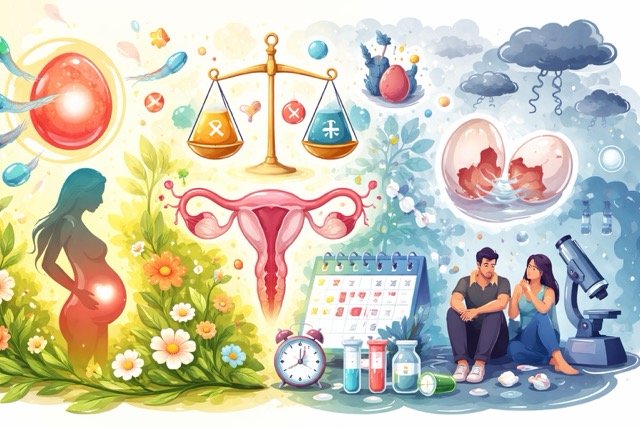 If you are feeling confused or overwhelmed by fertility challenges, or wondering if hormone balance might be affecting your ability to conceive you are not alone—many women and couples face uncertaint…
 -
New to Progesterone Cream
Dec 30, 25 04:57 AM
Hello First of all THANK YOU so much for this website - I am blown away by how much information and support is provided. I am new to bioidentical progesterone -
FDA removes HRT risk warning labels
Dec 28, 25 04:20 AM
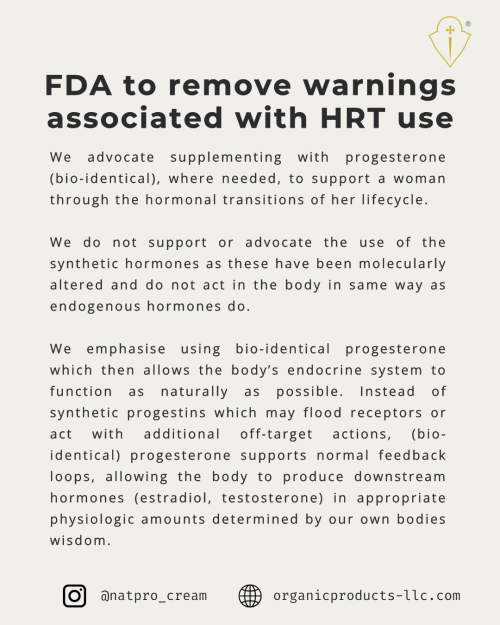
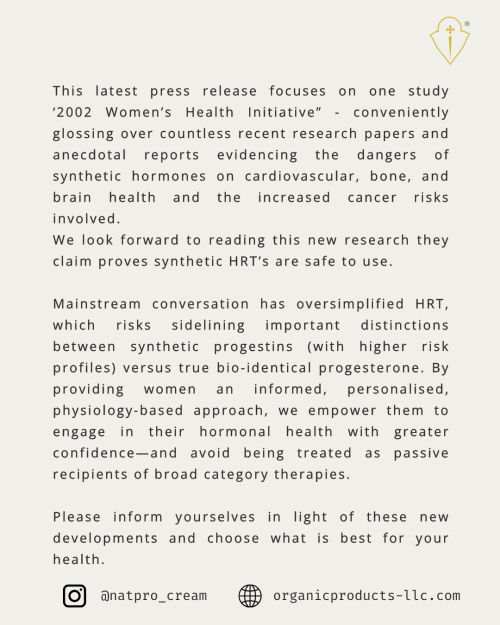 _____
_____ -
Insulin Resistance: The Hidden Hormone Imbalance & Natural Solutions
Dec 16, 25 08:30 AM
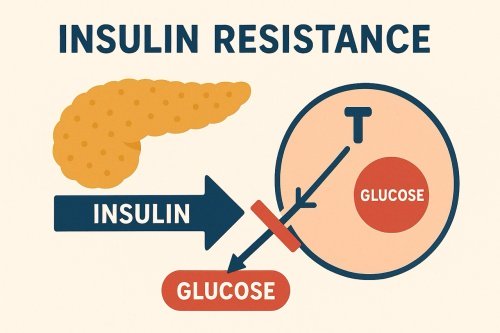 Feeling tired, foggy, or struggling with stubborn weight gain—especially around the waist? You might be surprised to learn that these symptoms could be linked to insulin resistance, a condition that a…
Natural
progesterone cream
Your language
Translate this website
into your language
Is this the future
of medicine?
Home | Contact | Newsletter | Index of Symptoms | News | Progesterone cream | Privacy policy | Blog | About | FAQ
Disclaimer:
Although this web site is not intended to be prescriptive, it is intended, and hoped, that it will induce in you a sufficient level of scepticism about some health care practices to impel you to seek out medical advice that is not captive to purely commercial interests, or blinded by academic and institutional hubris. You are encouraged to refer any health problem to a health care practitioner and, in reference to any information contained in this web site, preferably one with specific knowledge of progesterone therapy.
