Controlling blood sugar
The hormone progesterone plays a vital role in controlling blood sugar levels. One of the many functions of progesterone is blood sugar regulation in all vertebrates. If the level becomes either too high or too low, loss of consciousness occurs, followed by death. Blood sugar imbalances are an increasingly common problem and in some measure can be laid at the door of hormone imbalances induced by environmental poisons, especially the 'xenoestrogens'.
Controlling blood sugar is helped by eating slow release carbohydrates. If refined foods or sugar are eaten the body responds by creating a surge of insulin to prevent hyperglycemia. It does this by converting the excess sugar into fat which then gets deposited in the fatty tissues.
To get details of an Energy Boost Formula
that really works please click here
If too much insulin is released because too much sugar is eaten or too long an interval is left between meals, blood sugar can drop below the critical baseline. The result is an outpouring of adrenaline which causes sugar stored in other cells in the body to pour into the blood bringing the level up again. As the sugar drains out it is replaced by water, causing bloating and weight gain. Too much adrenaline can bring on an attack of panic, migraine, epilepsy and other symptoms (see also aggression).
Progesterone cannot be transported into the nucleus of the cells if there is no sugar in them, which means that any of the symptoms of progesterone deficiency become worse. It is also known that estrogen causes an imbalance in the blood sugar. Progesterone is involved in the regulation of the lower sugar baseline, so if it is too low, as in the days before menstruation, during post natal depression or the years before menopause, the lower baseline is raised and controlling blood sugar levels becomes all the more difficult.
What this means is that if the blood sugar starts dropping it will hit the baseline quicker than normal and of course the body responds with its usual outpouring of adrenalin and its attendant symptoms.
It is estimated that about 80% of women have hypoglycemia (low blood sugar), the lucky 20% and most men are not affected. A significant fact is that after a large meal progesterone levels drop.
To help in controlling blood sugar levels it is essential to eat small meals of slow release high fibre carbohydrate every 3 hours and to maintain adequate levels of progesterone. It may be beneficial to add additional protein to meals, unless digestive disturbances are felt.
To find out more about progesterone therapy in general and how it benefits health issues other than helping in controlling blood sugar, please click here.
Do you have a progesterone deficiency?
This free questionnaire
will tell you in 5 minutes.
Just enter your email
and click the button...
Subscribe to our Progesterone Therapy Newsletter
It's free and will bring you important new information on progesterone therapy, related health matters and discount specials.
Do you have a
question or concern?
See what's being discussed, ask for help, give your thoughts or experiences, or just browse...
or
Recent Articles


-
Cortisol
Jan 03, 26 05:10 AM
I'm not clear on what progesterone does to cortisol levels. Not sure if it's helping mine. I have continuous high cortisol at night and mornings. Yet -
🌱 Fertility, Infertility & Progesterone
Dec 30, 25 08:30 AM
 If you are feeling confused or overwhelmed by fertility challenges, or wondering if hormone balance might be affecting your ability to conceive you are not alone—many women and couples face uncertaint…
 -
New to Progesterone Cream
Dec 30, 25 04:57 AM
Hello First of all THANK YOU so much for this website - I am blown away by how much information and support is provided. I am new to bioidentical progesterone -
FDA removes HRT risk warning labels
Dec 28, 25 04:20 AM

 _____
_____ -
Insulin Resistance: The Hidden Hormone Imbalance & Natural Solutions
Dec 16, 25 08:30 AM
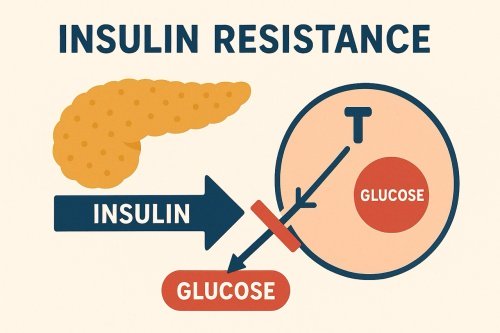 Feeling tired, foggy, or struggling with stubborn weight gain—especially around the waist? You might be surprised to learn that these symptoms could be linked to insulin resistance, a condition that a…
Natural
progesterone cream
Your language
Translate this website
into your language
Is this the future
of medicine?
Home | Contact | Newsletter | Index of Symptoms | News | Progesterone cream | Privacy policy | Blog | About | FAQ
Disclaimer:
Although this web site is not intended to be prescriptive, it is intended, and hoped, that it will induce in you a sufficient level of scepticism about some health care practices to impel you to seek out medical advice that is not captive to purely commercial interests, or blinded by academic and institutional hubris. You are encouraged to refer any health problem to a health care practitioner and, in reference to any information contained in this web site, preferably one with specific knowledge of progesterone therapy.
