Preteen daughter
My daughter has been diagnosed with ADHD and at 10.5 is having signs of early puberty, body changes, emotional mood swings. Is it safe to put her on progesterone cream?
Comments for Preteen daughter
|
||
|
||
Do you have a progesterone deficiency?
This free questionnaire
will tell you in 5 minutes.
Just enter your email
and click the button...
Subscribe to our Progesterone Therapy Newsletter
It's free and will bring you important new information on progesterone therapy, related health matters and discount specials.
Do you have a
question or concern?
See what's being discussed, ask for help, give your thoughts or experiences, or just browse...
or
Recent Articles


-
Progesterone Therapy & Catamenial Epilepsy
Sep 15, 26 08:30 AM
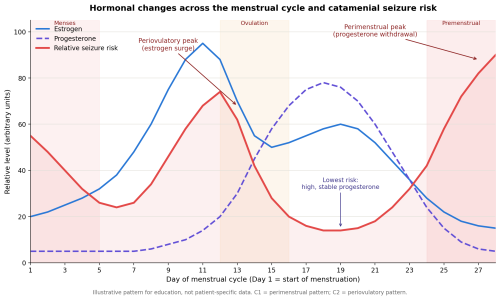 Epilepsy is a neurological condition marked by recurring seizures. We are not here to discuss the complex subject of epilepsy and epilepsy treatments in general, but specifically catamenial epilepsy…
 -
Son's TBI
Sep 14, 26 06:36 AM
My son had a catastrophic stroke in 2024. After years of theraphy the doctors are saying there is nothing more they can do for him. His right arm is -
A Gentle Transition: Safely Coming Off HRT Drugs
Sep 09, 26 06:28 AM
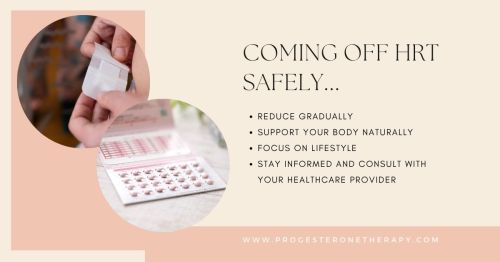 Are you considering coming off HRT (hormone replacement therapy) drugs, or perhaps worried about withdrawal symptoms? Many women face this challenge, and it can feel daunting. The good news is, with t…
 -
Can Progesterone Help with Uterine Fibroids?
Aug 25, 26 03:31 AM
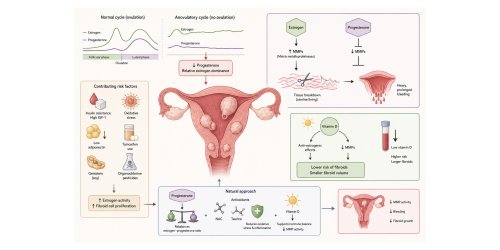 Uterine fibroids are benign growths of connective tissue and smooth muscle that develop predominantly in the uterus. They affect 15–20% of reproductive-age women, and up to 70–80% of women by the age…
 -
🌿 Hormone Balance & Heart Health
Aug 11, 26 08:31 AM
 Did you know that your heart health is deeply connected to your hormones—and that progesterone plays a crucial protective role? For years, the focus has been on cholesterol and blood pressure, but res…
Natural
progesterone cream
Your language
Translate this website
into your language
Is this the future
of medicine?
Home | Contact | Newsletter | Index of Symptoms | News | Progesterone cream | Privacy policy | Blog | About | FAQ
Disclaimer:
Although this web site is not intended to be prescriptive, it is intended, and hoped, that it will induce in you a sufficient level of scepticism about some health care practices to impel you to seek out medical advice that is not captive to purely commercial interests, or blinded by academic and institutional hubris. You are encouraged to refer any health problem to a health care practitioner and, in reference to any information contained in this web site, preferably one with specific knowledge of progesterone therapy.
