Menstrual blood clots
The hormone progesterone and menstrual blood clots are linked through the action of estrogen. An increased risk of blood clots can occur because the hormone estrogen thickens blood. Hormone imbalances induced by environmental poisons especially the so-called 'xenoestrogens' are thought by some authorities to be a primary cause of this.
To help reduce the risk of the occurrence of blood clots you should avoid all forms of estrogen and maintain adequate levels of progesterone.
In addition take between 15 to 75ml of Omega 3 essential fatty acids in the form of flaxseed oil or fish oils.
To find out more about progesterone therapy in general and how it benefits health issues other than supporting a comfortable monthly cycle, please click here.
Readers' questions about heavy bleeding and spotting
I have been bleeding or spotting for weeks. Is this normal?
Long, heavy or unexpected bleeding should always be checked by a doctor or health professional, especially after menopause or if you feel faint or exhausted. Please do not rely on a website for this.
My bleeding changed after starting the cream. Why?
Some readers noticed a change in their bleeding pattern in the first cycles after starting or changing their routine. Keep a record of the dates and how heavy the flow is, and share it with your doctor.
Is bleeding in between periods related to hormones?
Bleeding between periods can have many causes, hormonal and otherwise. Readers who had it checked found the tests reassuring or useful. See Menstruation cycle for how the cycle works.
Can I stop my period for an event?
Readers ask about prescription tablets to delay a period. That is a question for your doctor or pharmacist.
Editor's note: These questions are summarised from readers' stories shared on this site. They describe personal experiences and are not medical advice.
Do you have a progesterone deficiency?
This free questionnaire
will tell you in 5 minutes.
Just enter your email
and click the button...
Subscribe to our Progesterone Therapy Newsletter
It's free and will bring you important new information on progesterone therapy, related health matters and discount specials.
Do you have a
question or concern?
See what's being discussed, ask for help, give your thoughts or experiences, or just browse...
or
Recent Articles


-
Period Stopped since Starting Progesterone
Oct 15, 26 08:57 AM
Thank you so much for starting this website resource. It has been a great help as I learn about Natural Progesterone. I started taking the progesterone -
Conflicting information on using Progesterone
Oct 05, 26 09:13 AM
Hello. I am feeling a bit confused as to what information I should trust. I read the page on myths around taking progesterone which states that progesterone -
Miss
Oct 04, 26 11:41 PM
Hi everyone. Please bare with me as I try and explain myself. I have been using bioidentical progesterone in various ways. 800mg as a pessary (split -
Progesterone Therapy & Traumatic Brain Injury
Sep 30, 26 06:19 PM
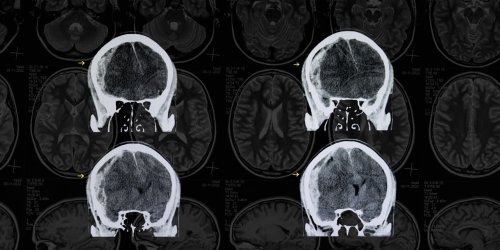 Every 15 seconds in the USA someone suffers a traumatic brain injury (TBI). There are, on average, 2.8 million incidences each year, more than 60,000 die, and it causes more deaths in men under 35 tha…
-
Progesterone Therapy & Catamenial Epilepsy
Sep 15, 26 08:30 AM
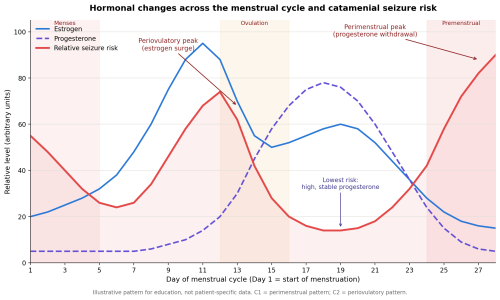 Epilepsy is a neurological condition marked by recurring seizures. We are not here to discuss the complex subject of epilepsy and epilepsy treatments in general, but specifically catamenial epilepsy…
Your language
Translate this website
into your language
Is this the future
of medicine?
Home | Contact | Newsletter | Index of Symptoms | News | Privacy policy | Blog | About | FAQ
Disclaimer:
Although this web site is not intended to be prescriptive, it is intended, and hoped, that it will induce in you a sufficient level of scepticism about some health care practices to impel you to seek out medical advice that is not captive to purely commercial interests, or blinded by academic and institutional hubris. You are encouraged to refer any health problem to a health care practitioner and, in reference to any information contained in this web site, preferably one with specific knowledge of progesterone therapy.
