Blood test ratio
by Mary
(North Carolina)
Also meant to ask: Would an ideal P:E ratio on a blood test be lower, since progesterone levels show up as much lower on a serum test than a saliva test?
Comments for Blood test ratio
|
||
|
||
Do you have a progesterone deficiency?
This free questionnaire
will tell you in 5 minutes.
Just enter your email
and click the button...
Subscribe to our Progesterone Therapy Newsletter
It's free and will bring you important new information on progesterone therapy, related health matters and discount specials.
Do you have a
question or concern?
See what's being discussed, ask for help, give your thoughts or experiences, or just browse...
or
Recent Articles


-
Conflicting information on using Progesterone
Oct 05, 26 09:13 AM
Hello. I am feeling a bit confused as to what information I should trust. I read the page on myths around taking progesterone which states that progesterone -
Miss
Oct 04, 26 11:41 PM
Hi everyone. Please bare with me as I try and explain myself. I have been using bioidentical progesterone in various ways. 800mg as a pessary (split -
Progesterone Therapy & Traumatic Brain Injury
Sep 30, 26 06:19 PM
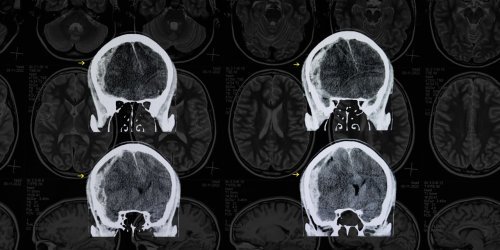 Every 15 seconds in the USA someone suffers a traumatic brain injury (TBI). There are, on average, 2.8 million incidences each year, more than 60,000 die, and it causes more deaths in men under 35 tha…
 -
Progesterone Therapy & Catamenial Epilepsy
Sep 15, 26 08:30 AM
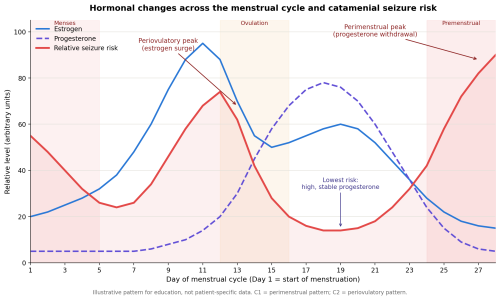 Epilepsy is a neurological condition marked by recurring seizures. We are not here to discuss the complex subject of epilepsy and epilepsy treatments in general, but specifically catamenial epilepsy…
 -
Son's TBI
Sep 14, 26 06:36 AM
My son had a catastrophic stroke in 2024. After years of theraphy the doctors are saying there is nothing more they can do for him. His right arm is
Natural
progesterone cream
Your language
Translate this website
into your language
Is this the future
of medicine?
Home | Contact | Newsletter | Index of Symptoms | News | Progesterone cream | Privacy policy | Blog | About | FAQ
Disclaimer:
Although this web site is not intended to be prescriptive, it is intended, and hoped, that it will induce in you a sufficient level of scepticism about some health care practices to impel you to seek out medical advice that is not captive to purely commercial interests, or blinded by academic and institutional hubris. You are encouraged to refer any health problem to a health care practitioner and, in reference to any information contained in this web site, preferably one with specific knowledge of progesterone therapy.
