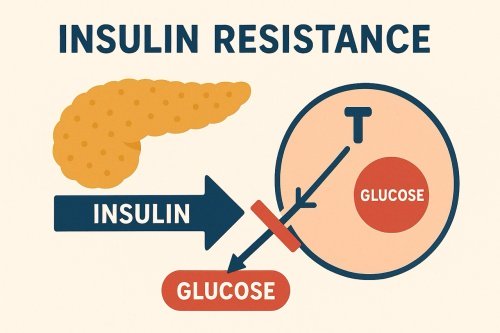
The PCO formula is designed to reduce inflammation and stabilise blood glucose and insulin levels. But unless oxidizing foods are eliminated from the diet and toxins from the environment are avoided, it will have less impact. In other words...
Although PCO is regarded as a sugar metabolism problem, increasingly studies are finding it's due to oxidative stress. Both have a role to play, as sugar and foods which convert to glucose are the most oxidising of all 'foods', if they can be called foods at all.
Many of the ingredients have other benefits, such as...
See full details below.
The PCO formula is in powder form to keep costs down so everyone can afford to get well. Encapsulating or making tablets is costly, and the doses are generally too low to have much effect.
The PCO formula contains nothing more than that stated, no fillers, sweeteners or flavourants to mask the taste, which is very sour. So it's best taken in a small amount of fruit juice, although some take it in water or a breakfast smoothie.
The full dose should be taken in the morning. It can be divided if preferred.
Do not take on an empty stomach if sensitive to the B vitamins and zinc.
For references to studies please see here.
|
Amino acids
|
Minerals
|
Vitamins
|
Other nutrients
|
| Arginine 1600mg | Chromium picolinate 500mcg | B1 (thiamine) 100mg | Milk thistle 515mg |
| Cysteine (N-Acetyl-L) 1200mg | Selenium 200mcg | B2 (riboflavin) 25mg | Phylosilicate clay 500mg |
| Glutamine 500mg | Zinc 45mg | B3 (niacinamide) 25mg | |
| Glycine 500mg | B5 (Ca D-pantothenate) 100mg | ||
| Taurine 1000mg | B6 (pyridoxine) 25mg | ||
| B12 (cyanocobalamin) 200mcg | |||
| Biotin 2000mcg | |||
| Choline bitartrate 100mg | |||
| Folic acid 800mcg | |||
| Inositol 4000mg | |||
| D3 (cholecalciferol) 5000IU |
To order online please click here...
for Organic Product's secure shopping cart
Assists in glucose metabolism, insulin production and growth hormone. Detoxes the liver, boosts the immune system, retards the growth of tumours and cancer, has been found to be low in people with cancer. Assists in wound healing, increases muscle mass, decreases body fat, a powerful anti-inflammatory. Arginine has a positive affect on the viability of sperm, lowers cholesterol, aids in angina, congestive heart failure, interstitial cystitis, speeds recovery time after surgery, might improve senile dementia, hypertension and migraine. As the precursor to nitric oxide (NO) it's vital for keeping blood vessel walls free of build up. NO prevents platelets aggregating, so preventing clots. NO is also a vasodilator which lowers hypertension and keeps blood flowing freely, hence it's use in erectile dysfunction.
Caution: if herpes is a problem do not take or take extra lysine to counteract the problem.
Burns fat and builds muscle. A powerful antioxidant and free radical scavenger, it boosts the immune system, energy and metabolism. A precursor to glutathione, itself a powerful detoxifier of the liver. Low levels of glutathione are found in people with bi-polar disorder and inflammatory diseases. Selenium, zinc and cysteine deficiency result in reduced levels of glutathione. An anti-aging amino, reduces age spots, also used in the treatment of rheumatoid arthritis, cancer, burns and wounds. Lowers homocysteine, strengthens skin, nails and hair, chelates heavy metals including mercury and lead, a hangover remedy. Breaks down mucus so used in bronchitis, emphysema, tuberculosis and cystic fibrosis. Caution: Do not take if you suffer from cystinuria.
Builds and maintains muscles, where it is found in large amounts, so used frequently by dieters and body builders. If blood sugar drops too low it can be used in place of glucose, as it can readily pass the blood brain barrier. Because of this, it stabilises blood sugar, eliminating cravings for sweets, starches and alcohol in as little as 48 hours. It helps with mental function, is the principal fuel for the immune system and digestive tract, preventing leaky gut by healing the lining, including ulcers. During stress large amounts of glutamine are lost, leading to loss of muscle. It's of great importance in trauma and surgery. A precursor to glutathione.
Retards muscle degeneration by supplying creatine, improves glycogen storage, having the proper amount increases energy, repairs skin and connective tissue, helps epilepsy, relaxes muscles, calming, is one of the precursors of glutathione. Like glutamine can be used in place of glucose for energy.
It is needed for the digestion of fats and controlling cholesterol levels, as it is an integral part of bile. Useful for hypoglycaemia, oedema, high blood pressure, epilepsy, anxiety, heart disorders (high concentrations are found in the heart), has a protective and soothing effect on the brain. Essential osmolyte for assisting magnesium, calcium, potassium and sodium to flow into and out of cells, may be the reason for muscle cramps, and not a lack of minerals. A lack can cause a drop in potassium levels in the heart. Vital for the eyes and is associated with zinc metabolism, a shortage of both may lead to impaired vision and blindness. Helpful in alcoholism and diabetes. Essential for the immune system. Vital for a growing foetus, a lack leads to growth retardation, to impaired development of the central nervous system and the pancreas. The child may develop impaired neurological function, glucose intolerance and vascular dysfunction, they may develop gestational diabetes and transmit the effects to the next generation. It is not found in vegetables, only animal protein. Caution: if you have extremely low blood pressure.
Needed for the metabolism of protein, but also for glucose, cholesterol and fat control, a deficiency causes these three to rise. It helps to increase muscle mass and is crucial in maintaining a stable blood sugar level. Comprises part of the glucose tolerance factor (GTF), which also needs vitamin B3, glycine, cysteine and glutamine. It's involved as a cellular receptor for insulin. High amounts of sugar in the diet cause a loss from the body. Needed during pregnancy as the developing foetus has a high requirement for it.
A vital antioxidant, it prevents the oxidation of fats, the formation of free radicals, and some tumours. A cofactor in the formation of glutathione. It plays a major role in the synthesis of thyroid hormones, needed for the conversion of T4 into T3. There is more selenium in the thyroid than any other organ. Helps prevent infections, liver and pancreas impairment and sterility. A deficiency has been linked to cancer, heart disease and autoimmune thyroiditis.
The second most abundant trace mineral in the body, zinc is a constituent of insulin, making it extremely important for blood sugar control. It is also found in many enzymes, including superoxide dismutase, a powerful antioxidant and liver protector. It is vital for a healthy immune system and is required for protein synthesis and collagen formation. Deficiencies can lead to acne, bulimia and anorexia, lack of taste and smell, abnormal appetite, dementia, lethargy, retarded growth and sexual development, high cholesterol levels, impotence and infertility, recurrent colds and flu. It is especially important for teenagers to get sufficient for normal reproductive growth. It is a vital part, together with vitamin B6, in the conversion of homocysteine into glutathione.
Assists in blood sugar regulation, as a thiol it acts as an antioxidant, protecting from oxidative stress. A diet high in sugars and coffee deplete it. Needed for production of hydrochloric acid, digestion and carbohydrate metabolism. Deficiency symptoms include cognitive impairment, fatigue, loss of appetite and weight.
Aids in metabolizing fats, carbohydrates and protein. Needed for cellular metabolism, red blood cell formation and the conversion of tryptophan into niacin (B3), for detoxifying and reducing homocysteine levels. Deficiency symptoms include sores at corners of mouth, eye problems, inflammation in the mouth, cognitive impairment, light sensitivity, poor digestion, dermatitis, insomnia.
Needed for metabolism of carbohydrates, fats and proteins, aids in depression, fatigue, low blood sugar, muscular weakness, helps oxygenate the brain. Only the niacin form of B3 will reduce cholesterol, but due to the flushing niacin causes, many cannot tolerate it. Niacin is converted to nicotinamide in the body. Nicotinamide is involved in oxidation-reduction reactions, principally as a component of the two most important coenzymes, nicotinamide adenine dinucleotide and nicotinamide adenine dinucleotide phosphate.
The anti-stress vitamin, vital for healthy adrenal glands, helps in the conversion of fats, carbohydrates and proteins into energy. Involved in removing excess cholesterol and triglycerides in the blood.
Affects both mental and physical health, needed for the synthesis of RNA and DNA, the production of hydrochloric acid, the absorption of fats and protein, the normal functioning of the brain, for cellular metabolism, for the conversion of amino acids into neurotransmitters, for detoxifying and reducing homocysteine levels by turning it into the powerful antioxidant glutathione.
The only B vitamin not found in fruit and vegetables, also the only B vitamin to need intrinsic factor, which is produced in the cells that line the stomach, before it can be absorbed. So anyone with low stomach acid or a damaged stomach is likely to be deficient in it. It is needed for the metabolism of carbohydrates and fats, required for proper digestion, for the growth and development of all cells, especially nerve cells, prevents anaemia. It assists in memory, enhances sleep patterns, a deficiency can cause mania. Needed for detoxifying and reducing homocysteine levels.
Aids in the metabolism of fats, protein and carbohydrates, in fact research has found that it can stabilize blood sugar and eliminate cravings for carbohydrates, in some instances better than chromium. Reduces high blood sugar, needed for fatty acid production, for healthy hair, skin, nerve tissue and bone marrow. A deficiency can cause anaemia, depression, insomnia. But of great importance it has been found that a deficiency in biotin can cause the yeast candida albicans to convert into its aggressive fungal form, causing it to spread throughout the body.
It aids in hormone production, transmission of nerve impulses, gallbladder regulation, liver function and lecithin production. Prevents fatty build up in the liver as it aids in the metabolism of fat and cholesterol. Beneficial for brain function and memory. A deficiency may result in high blood pressure, liver and kidney impairment, difficulty in digesting fats, arteriosclerosis, dementia, Alzheimer's and high homocysteine levels.
Beneficial for energy production, depression, anxiety, the brain and red blood cell formation. The most common deficiency in people with bi-polar disorder. Strengthens immunity and is vital for pregnancy, preventing neural tube defects such as spina bifida. Above all the other B vitamins it is the one most effective in combating high homocysteine levels. As it is found chiefly in green leafy vegetables, which feature low in most diets, many people are deficient in it.
Increases the action of insulin and decreases insulin resistance. It has a calming affect, helps in combating depression, panic attacks, mood swings, obsessive-compulsive disorder, bipolar disorder and anxiety. Helps reduce cholesterol levels, hardening of the arteries, removes fat from the liver. It improves ovulation, decreases serum androgen concentrations, blood pressure, and plasma triglyceride concentrations in polycystic ovary syndrome. Weight loss has been observed in patients taking it. High losses occur in diabetes, used for diabetic neuropathy, insomnia, cancer, hair growth (known as the anti-alopecia vitamin).
A fat soluble vitamin, principally synthesised in the skin by the action of UVB sunlight on cholesterol. A low level is associated with impaired insulin secretion, insulin resistance, metabolic syndrome, hyperglycaemia, decreased beta cell function in the pancreas and increased renin-angiotensin expression. Plays a role in insulin sensitivity. Exposure to the sun and dietary supplements are associated with a reduced risk of type 1 and 2 diabetes and glucose intolerance. A deficiency also causes muscle weakness, osteoarthritis, chronic pain, depression, fibromyalgia, osteomalacia, osteoporosis, some cancers, psoriasis, osteoarthritis, multiple sclerosis, hypertension, stroke, autoimmune diseases, autism, heart disease, birth defects and more. It is essential for maintaining normal calcium metabolism. Low levels result in hyperparathyroidism, which leads to insulin resistance. The darker the skin the more sun exposure is required to obtain sufficient. The following list gives an indication of levels of vitamin D found in the blood. The test should only be done for 25-hydroxyvitamin D also called calcidiol:
For more information please see here... Vitamin D Council.
The liver is the main detoxifying organ in the body, under constant threat from toxins in the environment, quite apart from the normal metabolism of the body. Recent research has shown that the centuries old remedy, milk thistle, is a great help to the liver and gallbladder in removing toxins from the body. There appears to be evidence it assists the kidneys and pancreas too. It reduces insulin resistance, lowers fasting glucose, glycosylated haemoglobin, total cholesterol, LDL cholesterol and triglyceride levels in diabetics. It can inhibit the spread of cancer cells in the liver and cause apoptosis. There is some evidence it has anti-inflammatory and immune boosting properties due to it's antioxidant activity, thereby inhibiting tumor necrosis factor and lipid peroxidation. It has been shown to significantly increase glutathione, ascorbic acid and superoxide dismustase levels, thereby preventing oxidative stress.
Mycotoxins are toxins produced by fungi, aflatoxin is the most virulent. They have been found in samples taken from grains, legumes such as peanuts, nuts, spices like nutmeg, cheese and other milk products, dried fruit, chewing tobacco, detannin-caffeinated coffee and black tea (caffeine and tannin have anti-aflatoxigenic properties). As a result they are eaten by humans or livestock, but are extremely resistant to gastric breakdown. Cooking or freezing does not destroy them. Mycotoxins are also found in buildings, although usually the level is too low to cause problems. Some of these problems are cancer, diarrhoea, damage to the nervous system and kidneys. Zearalenone is a potent estrogenic mycotoxin, it's heat-stable and found in maize, barley, oats, wheat, rice, sorghum and bread. Research has found by taking a phyllosilicate clay, the mycotoxins in the gut are adsorbed onto the surface of the clay and excreted. It does not adsorb nutrients because it is a non-expandable clay.
Search over 3,000 pages on this site...
This free questionnaire will tell you in 10 minutes
Just enter your email address and click the button...
Why do I ask for your email address? Simply so I can stay in touch. Your details will not be revealed to anyone
See what's being discussed, ask for help, give your thoughts or experiences, or just browse...
Here's an
Associate Program
that may be a good fit for your practice
Translate this website into your language